OSHA and NIOSH
Is there an OSHA lifting weight limit?
Compiled from public standards and manufacturers' published data.
No. OSHA has no standard that sets a maximum weight a worker may lift or carry; its interpretation letters say so and point instead to the NIOSH lifting equation, which is a voluntary method for working out a recommended weight for a given task. This page explains what OSHA does require, how the NIOSH figure is calculated, what California and Washington, two states with ergonomics rules of their own, have done, and what it means for a plant that lifts sacks and boxes by hand. It is not legal advice; the country-by-country limits are on manual handling weight limits by country.
The short answer
In a 2013 interpretation letter OSHA wrote that it does not have a standard which sets limits on how much a person may lift or carry, and that the NIOSH applications manual provides voluntary guidelines; a 2004 letter says the same. The number people quote, 51 lb or 23 kg, is the NIOSH load constant, the ceiling under ideal conditions, and it is reduced by six multipliers for the real task.
What OSHA does require
The duty that applies is the General Duty Clause, section 5(a)(1) of the OSH Act: the employer must provide a workplace free from recognised hazards. OSHA's letters point to the NIOSH equation as the way to judge a lifting task. As in other markets, the records that show a lifting hazard was dealt with are an assessment of the task, the control measures put in place and the training given.
Condition: electrical equipment used in a US plant, including a vacuum lifter's control box, must be acceptable under OSHA's electrical rules, which in practice means NRTL certification or a field evaluation; a CE mark does not replace it.
The NIOSH lifting equation and the 51 lb load constant
The equation multiplies the load constant of 23 kg (51 lb) by six factors: the horizontal distance of the hands in front of the ankles, the vertical height at the start, the vertical travel, the asymmetry angle (how far the load sits to the side of straight ahead), frequency and duration, and grip quality. The result is the recommended weight limit for that task, and the lifting index is the actual weight divided by it; an index above 1 means raised risk for part of the workforce.
A worked example from our knowledge base: a 25 kg sack picked from a low pallet position and placed on a conveyor at 3 lifts a minute over more than 2 hours, with a fair grip, gives a recommended limit of about 4.4 kg and a lifting index of about 5.7, an estimate; scored as poor grip, which the NIOSH manual applies to sagging bags, the index rises to about 6.1. The current manual is the 2021 revision, whose formulas and multipliers are the same as the 1994 edition.
Next step: run your own task in the NIOSH lifting calculator; a full worked assessment of a sack station is on manual handling risk assessment example.
Two-person and team lifts
OSHA has no figure for two-person lifts either. The British guidance lists team handling among the cases that take a task past the screening filter into a detailed assessment with the MAC charts. Points worth recording in that assessment include the coordination between the lifters, the route, and who takes the weight at the start and at the end of the lift.
State rules: California and Washington
California's repetitive motion rule, Title 8 section 5110, sets no weight either; it requires a programme of assessment, control and training once two or more diagnosed injuries caused mainly by the same repetitive task occur within twelve months.
Washington State adopted an ergonomics rule in 2000, repealed it by voter initiative in 2003, and in 2023 passed a law that lets its Department of Labor and Industries write such rules again, but only for industries or risk classes whose rate of musculoskeletal claims is at least twice the state rate, one rule in any twelve months, with the first rule not taking effect before 1 July 2026; the first industry chosen was airline ground crews. Other state plans may differ; the rule that applies is the one for the state where the plant stands.
What records show the hazard was dealt with
Without a weight limit, the question becomes whether the hazard was recognised and dealt with. The records that answer it are the task assessment, the control measures and the training records, and the mechanical aids in place at the station. The same records can be shown if an insurer or a customer audit asks how the station is managed.
What this means for a sack or carton station
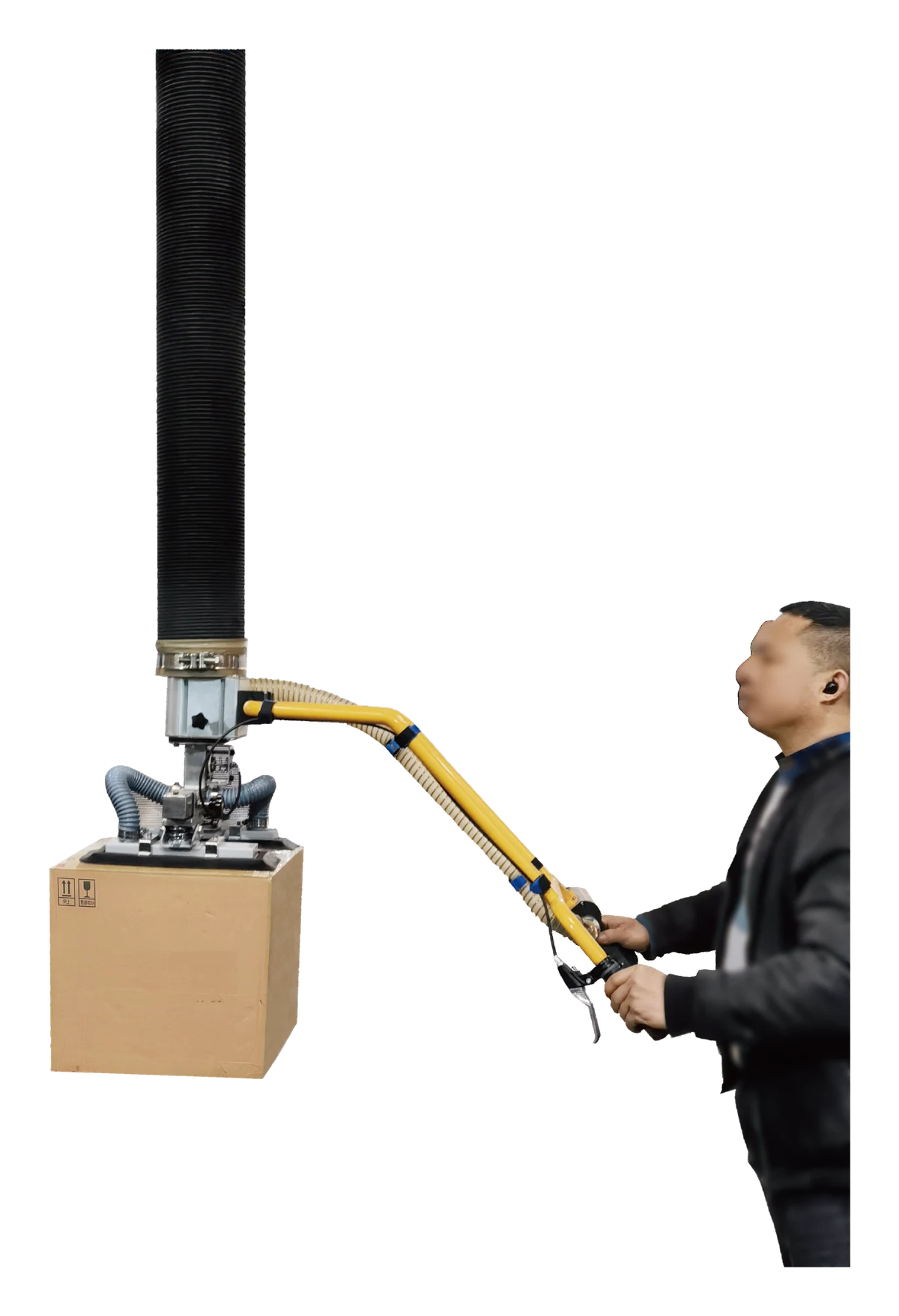
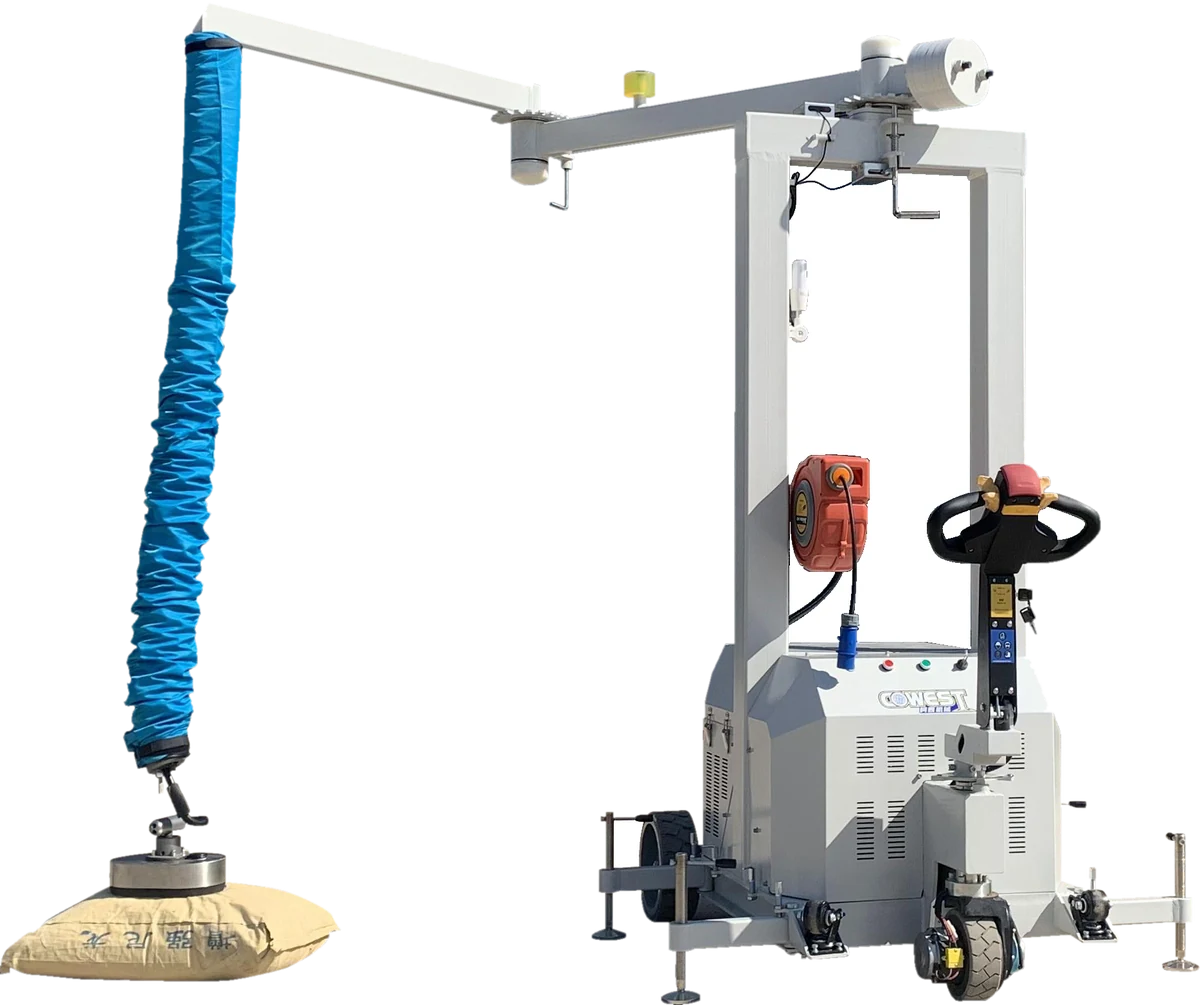
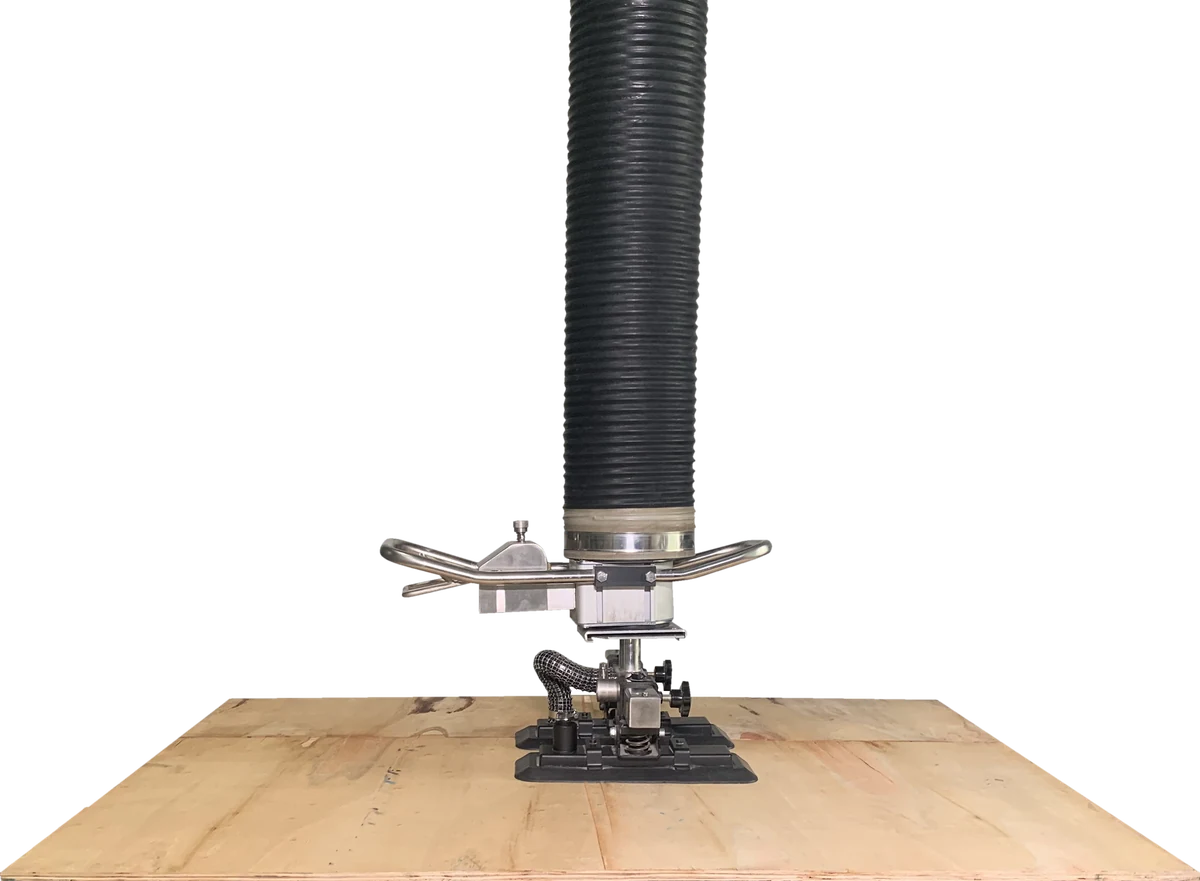
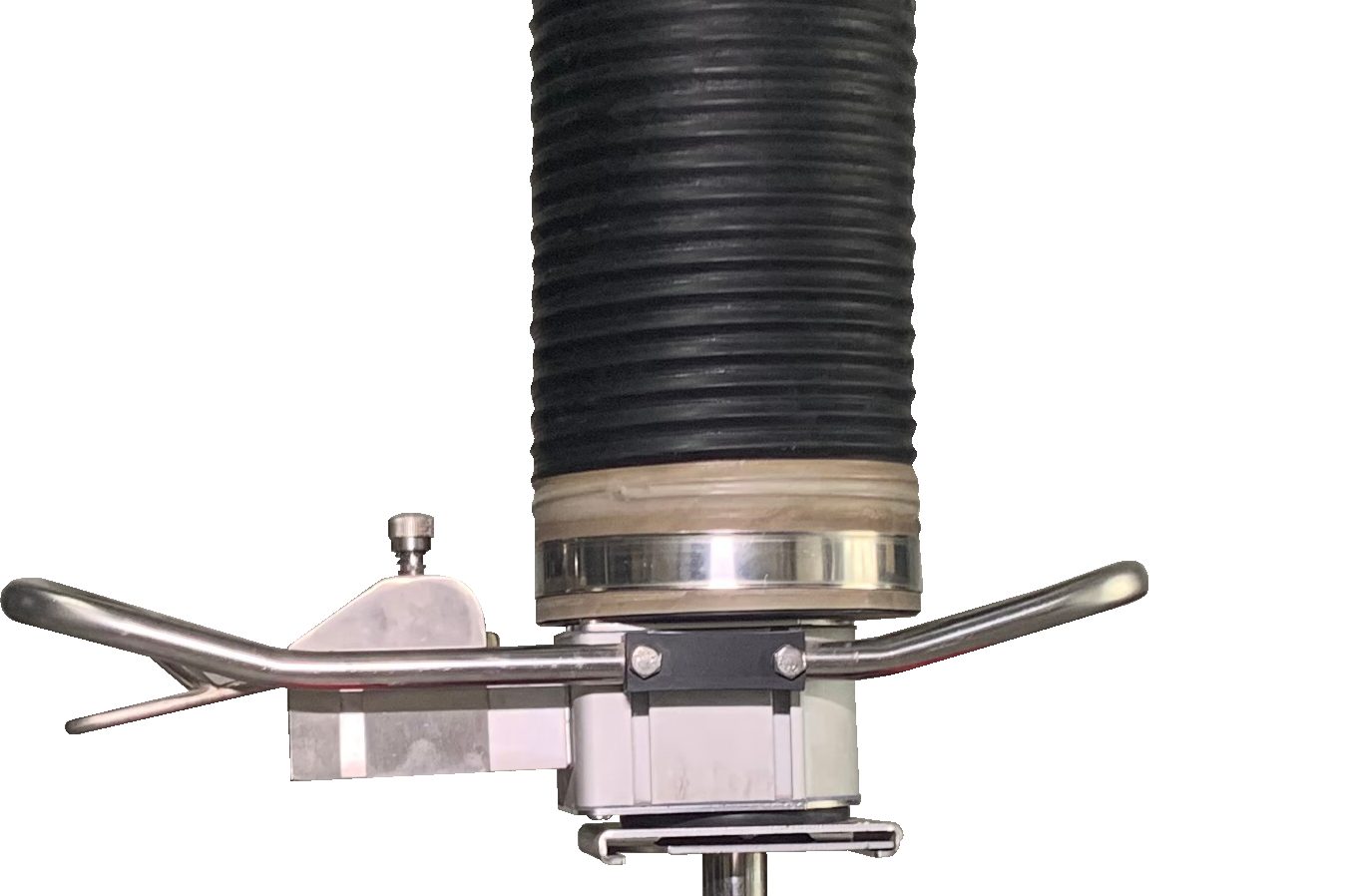
A 50 lb sack weighs about 22.7 kg, close to the load constant itself. Lifted for more than two hours a shift, the frequency multiplier alone is at most 0.85, so the recommended limit is below 20 kg and the lifting index is above 1 whatever the posture; picked from a low pallet, the example above gives roughly 5 to 6 for a 25 kg sack, an estimate. The EU directive and several national rules name a mechanical aid as the first control; for sacks, cartons and drums, one such aid is a vacuum tube lifter, which Australia's code of practice lists among its examples, as described on the vacuum bag lifter page.
send the load, the heights and the lifts per hour.
Scope
What this page does not cover
This page is not legal advice; it does not cover patient handling in hospitals or the rules of Canada; state plans other than California and Washington are not described.
Cowest Machinery designs and manufactures vacuum tube lifters at its factory in Qingyuan, Guangdong, China.